No products in the cart.
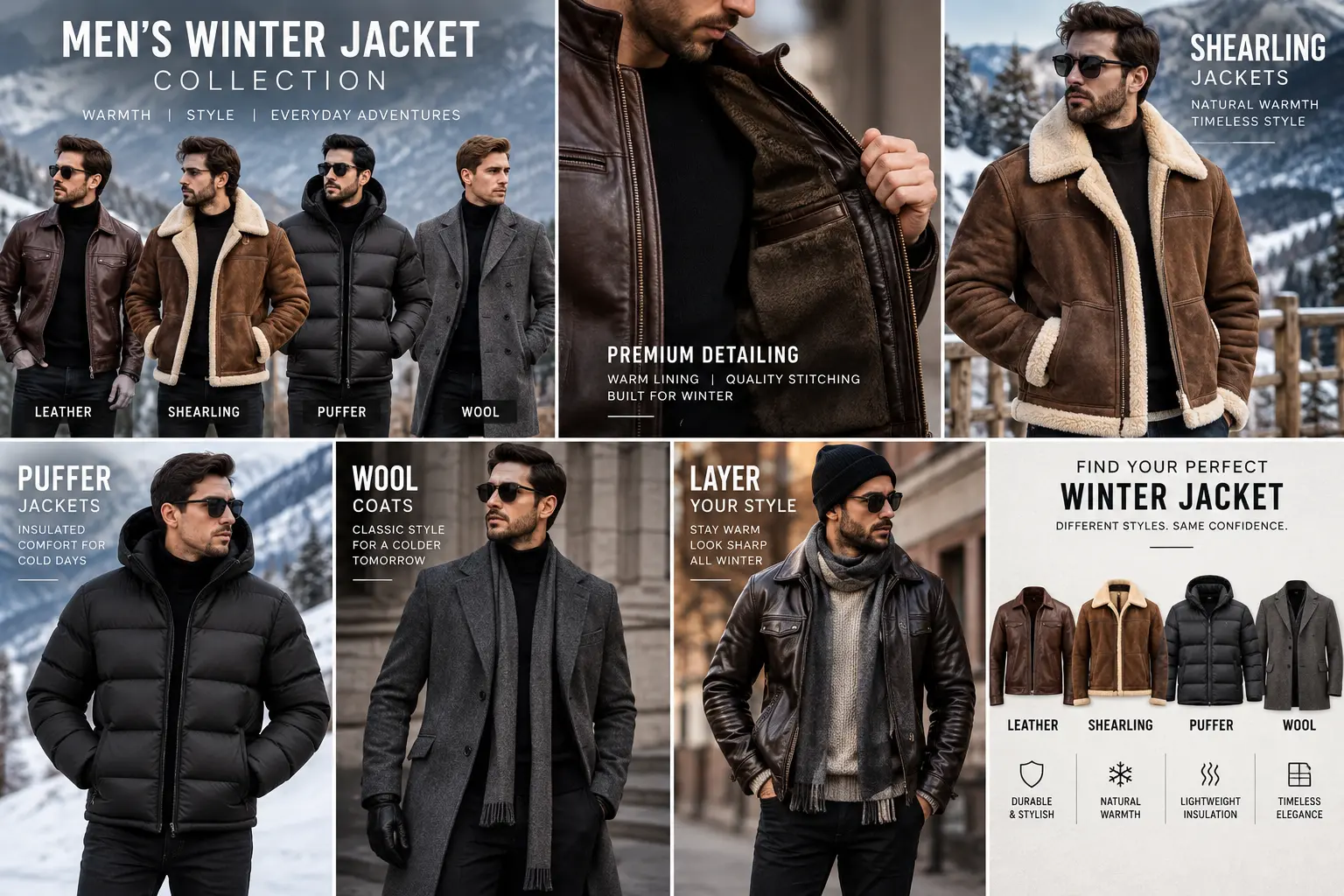

Winter weather does not call for the same jacket in every situation. A man commuting through a windy city, spending time outdoors in wet conditions, or simply looking for a stylish layer for everyday wear may need very different features.
The best winter jackets for men depend on more than how thick a jacket looks. Material, insulation, lining, construction, fit, wind protection, moisture resistance, and the way you plan to use the jacket all matter.
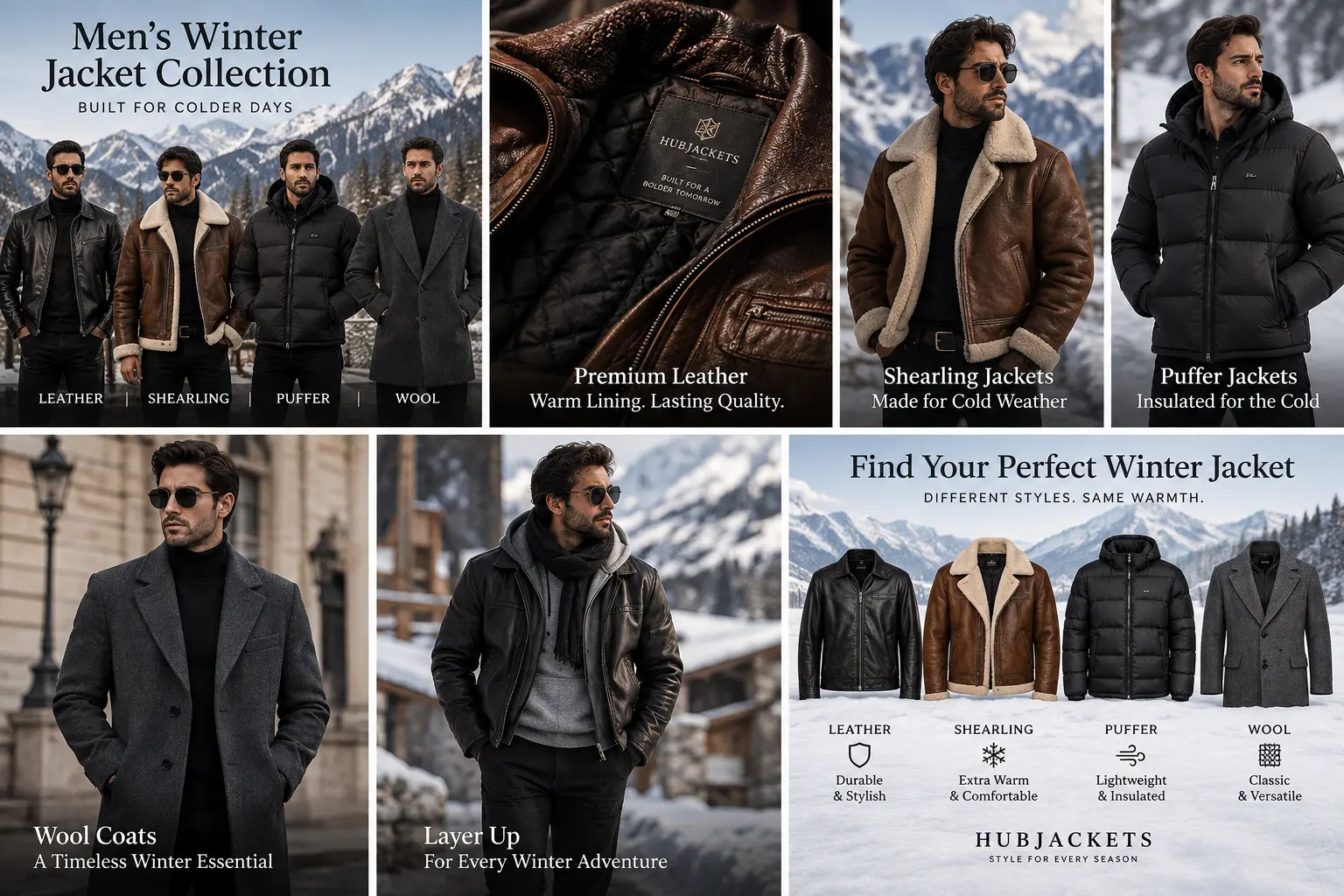
Leather, shearling, puffer, and wool jackets each approach winter comfort differently. Leather can provide a structured outer layer and strong wind protection, shearling combines a leather exterior with a warm lining, puffers rely on insulation to trap warm air, while wool offers natural insulation and breathability.
This guide explains the differences so you can choose a winter jacket based on your actual needs rather than simply choosing the thickest option.
A winter jacket has two main jobs: help retain body heat and protect you from the conditions outside.
Insulation works by trapping air and reducing heat loss. The outer material then helps protect that insulation and your body from wind, moisture, and other weather conditions. A jacket can therefore be warm without necessarily being suitable for heavy rain or snow.
When comparing cold-weather outerwear, pay attention to:
Layering also matters. A practical cold-weather system can use a base layer, insulating middle layer, and protective outer layer rather than relying on one extremely heavy garment.
A genuine leather jacket can be a practical choice when you want a combination of structure, durability, and everyday style.
Leather jackets are available in different weights and constructions, so not every leather jacket is automatically a winter jacket. A lightweight cafe racer, for example, may work well during cool weather but may need additional layers during freezing conditions.
For winter, look for features such as:
A leather jacket with warm lining can be especially useful for everyday winter wear because the leather provides the outer shell while the lining contributes additional warmth.
Leather works well when your priorities include style, structure, everyday wear, and wind protection. It is particularly suitable for casual outfits, commuting, and occasions where you want a jacket that can transition between practical and fashion-focused use.
However, leather should not automatically be treated as waterproof. If you regularly encounter heavy rain or snow, check the manufacturer’s care and weather-resistance information rather than assuming the material can handle prolonged exposure.
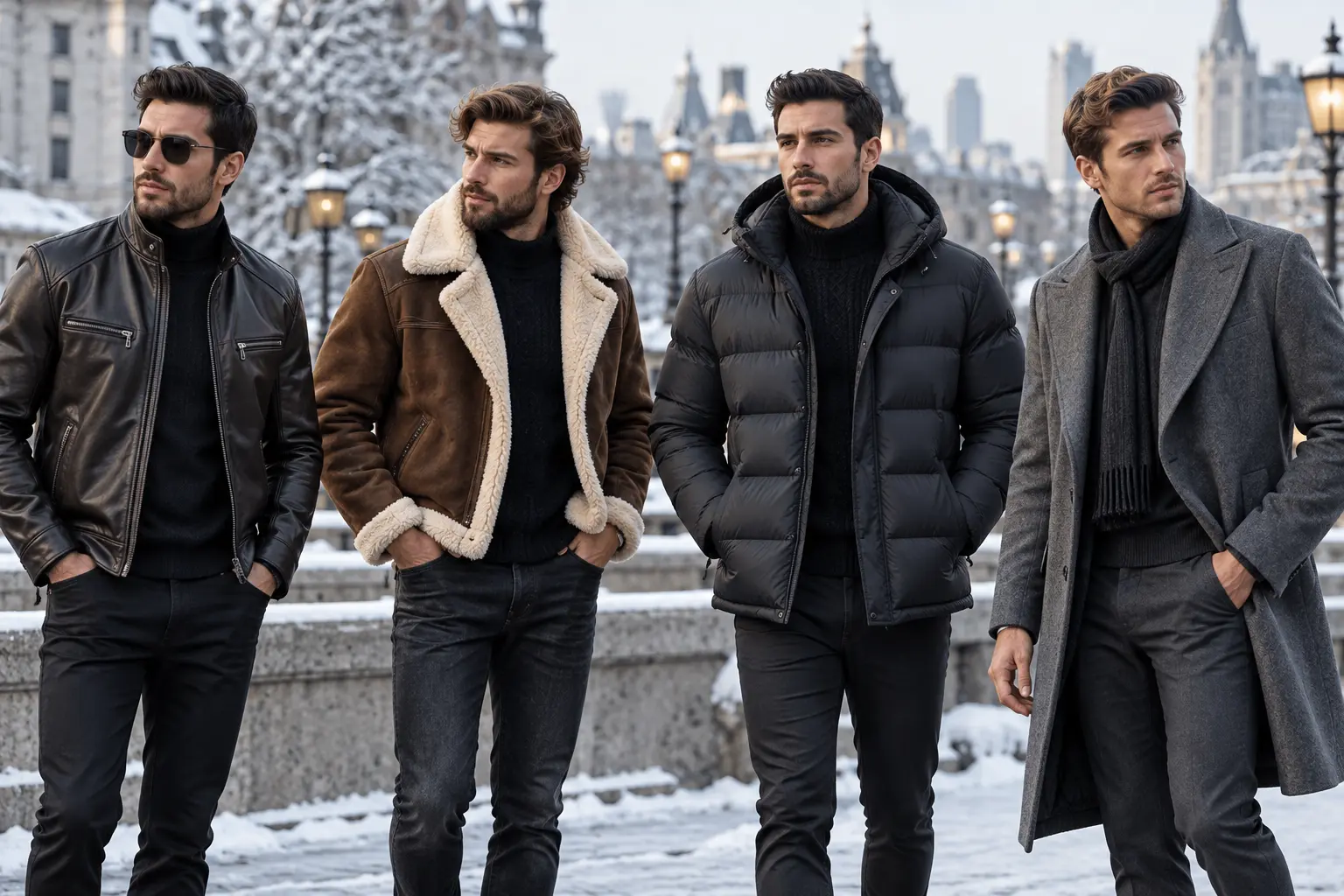
A shearling lined jacket combines a leather or suede outer surface with a wool or shearling lining. This construction is particularly associated with cold-weather clothing because the lining adds substantial insulation and comfort.
Shearling can appear as:
One important distinction is that “shearling” and “shearling-look” are not necessarily the same thing. If you’re shopping for genuine shearling, check the product’s material description carefully.
HubJackets has a dedicated collection of men’s shearling outerwear, including leather coats, sherpa jackets, bomber styles, and shearling-lined designs.
Shearling is worth considering when warmth and a substantial winter feel are priorities. It can also create a distinctive rugged appearance that works well with jeans, boots, sweaters, and other cold-weather clothing.
Because shearling garments can be relatively substantial, pay attention to fit. You should have enough room to move without the jacket becoming excessively loose.
A puffer coat gets its characteristic appearance from insulated sections that contain down, synthetic insulation, or another insulating material.
The basic principle is simple: insulation traps warm air close to your body.
Down is known for providing high warmth relative to its weight and being highly compressible, while synthetic insulation generally performs better when damp and dries faster.
That makes the choice dependent on your environment.
Down can be useful when you need a lightweight jacket for cold, relatively dry conditions. One important limitation is moisture: wet down can lose insulating efficiency and can take considerable time to dry.
Synthetic insulated jackets are often a practical option for damp conditions because synthetic insulation can retain some warmth when wet and generally dries faster than down.
A puffer or other insulated jacket makes sense when warmth-to-weight, insulation, and cold-weather comfort are more important to you than the structured appearance of leather or wool.
For active winter use, breathability and moisture management become especially important. A very thick jacket can become uncomfortable if you are moving enough to generate significant heat and sweat.
A wool coat for men offers a different approach to winter dressing.
Wool fibers naturally have a crimped structure that creates insulating air pockets. Wool is also breathable and can absorb moisture vapor, which helps manage temperature and comfort.
Common wool outerwear includes:
Wool is particularly useful when you want winter warmth with a more polished appearance.
Leather and wool serve different purposes.
Leather gives an outfit a more structured, rugged appearance and can provide useful wind protection. Wool offers natural breathability and insulation and is often associated with tailored or classic outerwear.
Your choice can therefore come down to both weather conditions and personal style.
| Jacket Type | Main Strength | Considerations | Good For |
| Leather | Structure, style, wind protection | Warmth varies by lining and weight | Everyday wear, casual outfits |
| Shearling | Warm lining and substantial construction | Can feel heavier/bulkier | Cold-weather everyday wear |
| Puffer | Efficient insulation | Performance depends on fill and shell | Cold conditions, travel, outdoor use |
| Wool | Natural insulation and breathability | Not automatically waterproof | Smart-casual and classic winter outfits |
There isn’t one construction that works perfectly for every winter environment. Even insulated jackets can differ significantly in warmth, breathability, weight, and moisture performance.
Before buying a jacket, consider these five questions.
A jacket for a mild winter is very different from one needed for freezing temperatures.
For moderate cold, a leather bomber or wool jacket may be enough, especially when combined with suitable layers.
For significantly colder conditions, consider shearling or a properly insulated puffer.
Moisture changes the equation.
If rain, wet snow, or high humidity is common, look closely at the shell material and insulation. Synthetic insulation can be useful in damp conditions because it continues to provide insulation better than down when wet.
Remember that water-resistant does not necessarily mean waterproof.
Someone walking around town may prefer a warmer, heavier jacket.
Someone cycling, hiking, or doing another active winter activity may need a lighter and more breathable system. REI’s layering guidance recommends considering activity level, expected moisture, and how hot or cold you tend to feel when choosing insulation.
Try your winter jacket over the clothing you actually expect to wear.
A jacket that fits perfectly over a T-shirt may feel restrictive over a sweater.
You should have enough room to move your shoulders and arms comfortably without creating excessive empty space that makes the jacket feel poorly fitted.
Think about your normal routine.
For example:
Office + commuting: Wool or leather can work well.
Casual everyday wear: Leather, shearling, or puffer styles offer different approaches.
Very cold conditions: Consider substantial insulation or shearling.
Outdoor activity: Focus more heavily on insulation type, moisture management, breathability, and layering.
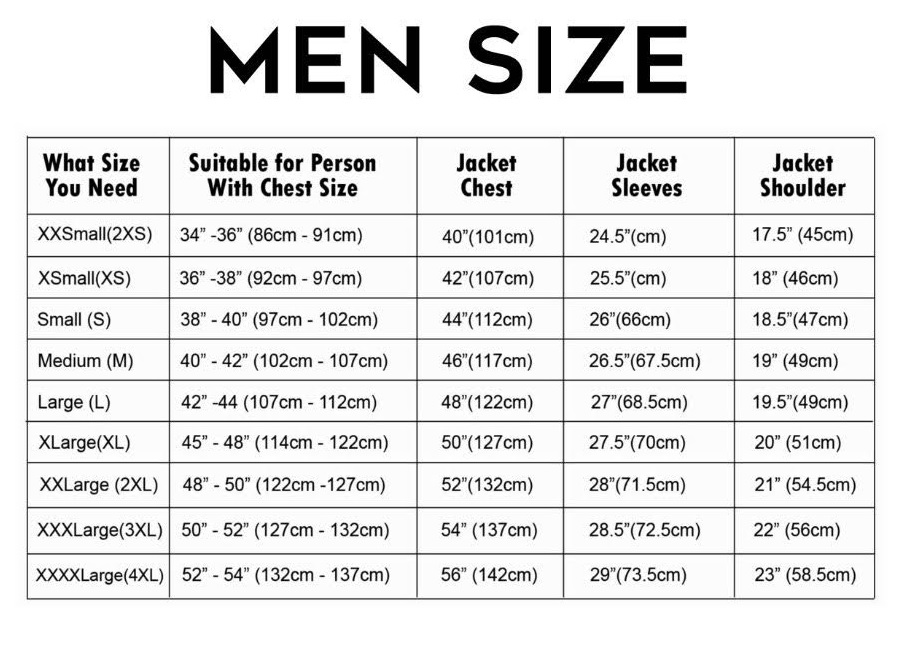
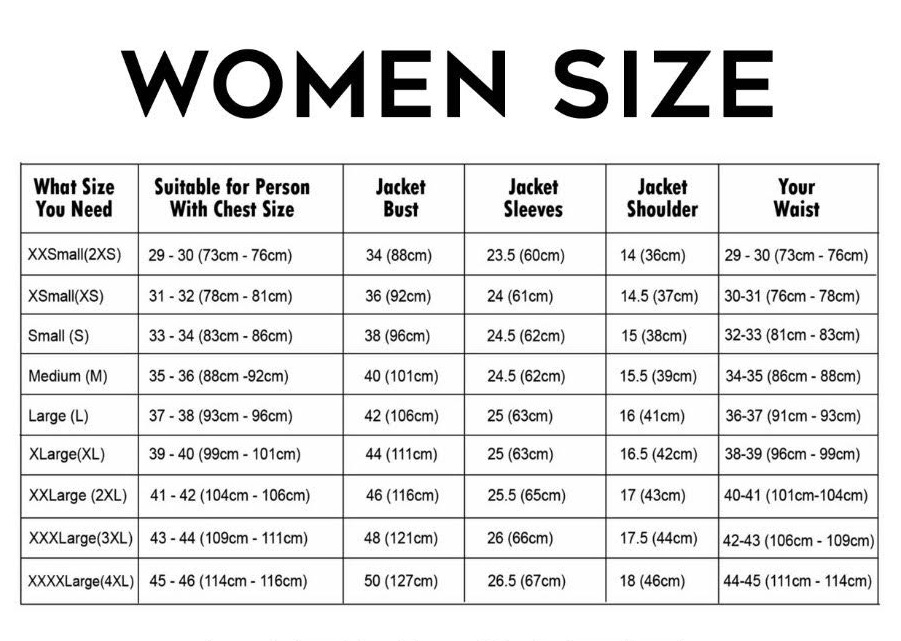
A winter jacket should provide enough room for movement and layering without becoming excessively loose.
Check these areas:
The shoulder seam should sit reasonably close to the natural shoulder rather than hanging far down the arm.
Your cuffs should cover the wrist when your arms are relaxed.
Zip or button the jacket and make sure you can move your arms without excessive pulling across the chest.
The hem should provide enough coverage for your intended use. Ribbed hems can also help create a closer fit around the waist.
Try the jacket over a sweater or mid-layer if that’s how you plan to wear it.
A good winter fit is not necessarily the tightest fit. Cold-weather clothing often works as part of a layering system, so comfort and mobility matter.
One of the most useful ways to improve cold-weather comfort is to think in layers.
A basic system consists of:
Base layer → Insulating layer → Outer layer
The base layer manages moisture next to your skin. The middle layer provides insulation. The outer layer protects against wind and precipitation.
For example:
Mild winter:
T-shirt → leather jacket
Cold winter:
Thermal/base layer → sweater → leather or shearling jacket
Very cold outdoor conditions:
Moisture-managing base layer → insulating mid-layer → weather-protective outer layer
The exact combination should depend on temperature, wind, precipitation, and activity.
Material is only one part of jacket quality. Examine the construction as well.
Look for clean, consistent stitching without obvious loose threads.
Check the zipper movement, buttons, snaps, and other closures.
Consider whether pockets are large enough for the items you actually carry and whether they close securely.
Ribbed or adjustable cuffs can help reduce gaps around the wrists. A well-designed hem can also improve coverage.
Look at the lining material and construction. A warm outer material does not necessarily mean the entire jacket is designed for winter.
For windy or wet conditions, coverage around the neck and head can make a meaningful difference.
A jacket can look extremely warm without providing the insulation you actually need. Check the construction and lining.
Thickness alone is not a reliable way to compare different insulation types. REI notes that insulation type and construction affect warmth, weight, and performance.
If you cannot comfortably wear your normal winter layers underneath, the jacket may not work well in colder weather.
A jacket suitable for cold, dry weather may not be the right choice for persistent rain or wet snow.
A heavy insulated jacket may be comfortable for standing outside but unnecessarily warm during strenuous activity.
Leather weight, lining, construction, and coverage vary significantly. Always examine the actual garment specifications.
Winter outerwear can be practical without looking overly technical.
Pair a leather jacket with:
Try:
For a casual winter look:
For a more refined outfit:
The key is to balance the jacket’s volume and structure with the rest of the outfit.
Although this guide focuses on men’s winter outerwear, the same principles—material, lining, fit, construction, and weather conditions—also matter when choosing women’s leather jackets.
HubJackets offers a women’s leather jacket collection featuring styles including lambskin, cafe racer, bomber, blazer, biker, suede, and other designs.
The right jacket depends on your weather, activity, and preferred style. Leather, shearling, puffer, and wool jackets each provide different combinations of insulation, weather protection, weight, and appearance.
It can be, depending on the leather weight, lining, construction, and weather. A leather jacket with a warm lining can provide substantially more winter comfort than an unlined lightweight leather jacket.
Shearling jackets are designed around a warm lining and can be a useful choice for cold-weather everyday wear. Their warmth and overall performance still depend on the specific construction and conditions.
Not automatically, but insulated puffers are specifically designed around insulation that traps warm air. Their warmth depends on the type and amount of insulation and the overall construction.
Yes. Wool naturally provides insulation and breathability, and its fiber structure helps trap air.
It depends on the jacket and the conditions. Leather should not automatically be considered waterproof. Check the manufacturer’s care and weather-resistance guidance and avoid prolonged exposure to moisture unless the garment is specifically designed for it.
A common approach is a moisture-managing base layer followed by an insulating mid-layer and then an outer jacket. The number and thickness of layers should depend on the temperature and your activity level.
Look at insulation, coverage, wind protection, moisture resistance, and layering room rather than judging warmth by thickness alone. For severe cold, appropriate accessories and protection for exposed skin are also important.
Choosing among the best winter jackets for men is really a matter of matching the jacket to the conditions and the way you will wear it.
Leather works well for structured everyday style, particularly when paired with a suitable warm lining. Shearling provides a substantial cold-weather option with its characteristic warm lining. Puffer jackets focus on insulated construction and can be particularly useful when warmth and weight are priorities. Wool offers natural insulation and breathability with a classic appearance.
Instead of choosing purely by appearance, examine the material, insulation, lining, fit, construction, weather protection, and intended use. That approach will help you find winter outerwear that makes sense for your actual climate and daily routine.